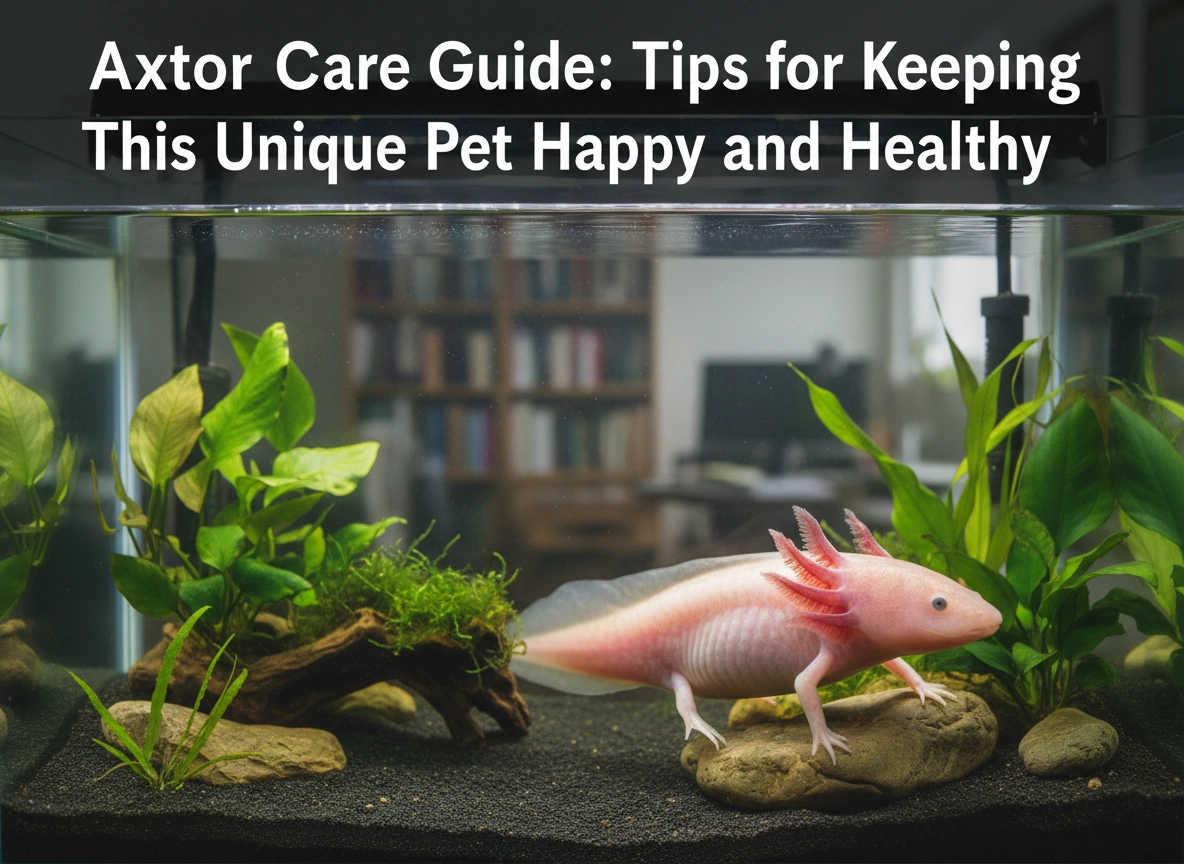
The axolotl, often called the “Mexican walking fish,” isn’t a fish at all. It is a neotenic salamander, meaning it reaches maturity without ever losing its larval features. With their feathery external gills, wide smiles, and tiny limbs, axolotls have captured the hearts of aquarium enthusiasts worldwide. However, these fascinating creatures are not your typical aquatic pets. They require specific care, a precisely managed environment, and a dedicated owner to thrive.
Whether you are setting up your first tank or looking to refine your husbandry skills, this guide covers everything you need to know to keep your axolotl happy and healthy for years to come.
Understanding the Axolotl
Before diving into tank setups, it is crucial to understand what makes the axolotl special. Native exclusively to the lake complex of Xochimilco near Mexico City, they are critically endangered in the wild. In captivity, however, they flourish under the right conditions.
Unlike other salamanders that undergo metamorphosis to live on land, axolotls remain aquatic their entire lives. They possess an incredible ability to regenerate lost limbs, organs, and even parts of their brain. While hardy in some respects, their permeable skin makes them highly sensitive to water quality and temperature fluctuations. This sensitivity means that “good enough” water conditions are rarely sufficient—precision is key.
Creating the Perfect Aquatic Home
Setting up an axolotl tank is about more than aesthetics; it’s about replicating a cool, clean, and stress-free environment.
Tank Size and Placement
The golden rule for axolotls is simple: bigger is better. A single adult axolotl can grow up to 12 inches long and produces a significant amount of waste. While a 20-gallon long tank is the absolute minimum for one adult, a 40-gallon breeder tank provides much better dilution for waste and more floor space for exploring.
Floor space is more critical than height. Axolotls spend most of their time walking along the bottom rather than swimming mid-water. Place the tank in a cool, low-traffic area of your home, away from direct sunlight which can cause dangerous temperature spikes and algae blooms.
Water Parameters: The Foundation of Health
Water quality is the single most important factor in axolotl care. Because they absorb oxygen and chemicals directly through their skin and gills, poor water quality can be fatal.
- Temperature: This is where many new owners struggle. Axolotls are cold-water animals. They thrive in temperatures between 60°F and 64°F (16°C–18°C). Temperatures consistently above 74°F (23°C) can cause heat stress, illness, and death. You may need an aquarium chiller or clip-on fans to maintain this range, especially in summer.
- pH Level: Aim for a pH between 7.4 and 7.6.
- Filtration: You need a filter that can handle a heavy biological load but produces very low flow. Axolotls become stressed in strong currents. Sponge filters or canister filters with a spray bar are excellent choices.
- Cycling: You absolutely must cycle your tank (establish the nitrogen cycle) before adding your axolotl. This process takes 4-8 weeks and ensures beneficial bacteria are present to convert toxic ammonia into safer nitrates.
Substrate Safety
Impaction is a common and often deadly issue for axolotls. These creatures feed by suction, inhaling water and anything near their food.
- Avoid Gravel: Standard aquarium gravel is the perfect size to be swallowed but too large to pass through the digestive tract. It should never be used.
- Safe Options:
-
- Fine Sand: Very fine sand (less than 1mm grain size) generally passes through the system safely if ingested.
- Bare Bottom: This is the easiest to clean and poses zero impaction risk, though it offers less grip for walking.
- Large Stones: River rocks or slate tiles that are significantly larger than the axolotl’s head are safe and look natural.
Lighting and Hides
Axolotls have no eyelids and are sensitive to bright light. They do not require special aquarium lighting. If you use lights for plants or viewing, ensure the tank has plenty of dark hiding spots. PVC pipes, terracotta pots, and aquarium-safe caves are essential for helping your pet feel secure.
Diet and Feeding Strategies
A nutritious diet is essential for your axolotl’s immune system, growth, and distinctive fluffy gills.
What to Feed
The staple diet for an adult axolotl should be high-protein and low-fat.
- Earthworms: Nightcrawlers or red wigglers are nutritionally complete and the best staple food. You may need to cut them into smaller pieces for younger axolotls.
- Pellets: High-quality, sinking carnivorous pellets (often made for axolotls or salmon) are a great supplement.
- Treats: Bloodworms, brine shrimp, and blackworms are like candy—tasty but not nutritious enough to be a main meal. Feed these sparingly.
How Often to Feed
- Juveniles: Growing axolotls have high metabolisms and should be fed daily.
- Adults: Once fully grown, you can reduce feeding to every 2-3 days.
Overfeeding leads to obesity and poor water quality. A healthy axolotl’s belly should be roughly the same width as its head. If the belly gets wider, reduce the portion size. Always remove uneaten food within 30 minutes to prevent ammonia spikes.
Health and Common Issues
Preventative care is far easier than treating a sick aquatic animal. However, knowing the signs of distress can save your pet’s life.
Signs of Stress
- Curled Gills: If the gills are curved forward toward the head, it is a primary sign of stress or poor water quality.
- Curled Tail Tip: Often accompanies curled gills.
- Loss of Appetite: Refusing food for extended periods is a warning sign.
- Deteriorating Gills: If the feathery filaments shrink or disappear, check your water parameters immediately.
Common Illnesses
- Fungal Infections: These appear as white, cotton-like tufts on the gills or body. They are often secondary to stress or poor water quality. Salt baths or tea baths (using plain black tea) are common mild treatments, but consult a vet for severe cases.
- Impaction: As mentioned, swallowing gravel causes blockages. Signs include floating uncontrollably, inability to poop, and a swollen belly.
- Ammonia Burns: Red patches on the skin or loss of slime coat indicate toxic water. Immediate water changes are required.
Note: Never use medications containing copper or malachite green, as these are toxic to amphibians.
Handling and Interaction
Axolotls are pets for viewing, not handling. Their skin is covered in a delicate slime coat that protects them from infection. Human hands have oils, salts, and residues that damage this coating.
If you must move your axolotl (for tank maintenance or emergencies), do not use a net, which can tangle and damage their gills. Instead, gently guide them into a plastic container or tub submerged in the water.
While you cannot cuddle them, axolotls are surprisingly interactive. They have decent eyesight for short distances and will learn to recognize their owners. Many will swim to the glass to greet you (or beg for worms) when you walk into the room. You can also target feed them using long tweezers, which is a fun way to interact while keeping your hands dry and their water clean.
Ensuring Long-Term Happiness
Axolotls can live for 10 to 15 years with proper care. Longevity depends on consistency.
Routine Maintenance Checklist
- Weekly Water Changes: Replace 20-30% of the tank water weekly with dechlorinated, temperature-matched water.
- Spot Cleaning: Use a turkey baster to remove waste (poop) as soon as you see it.
- Testing: Test water parameters weekly using a liquid test kit (strips are often inaccurate). Keep ammonia and nitrite at 0 ppm and nitrate below 20 ppm.
- Filter Maintenance: Rinse filter media in old tank water (never tap water) once a month to remove sludge without killing beneficial bacteria.
Enrichment
While they aren’t “playful” like dogs, axolotls enjoy exploring. Occasionally rearranging the decor, adding live plants (like Anubias or Java Fern which tolerate low light and cold water), or introducing moss balls can provide mental stimulation.
Tank Mates
Axolotls do best alone. Fish often nip at the axolotl’s exposed gills, thinking they are worms. Conversely, the axolotl will try to eat any fish that fits in its mouth. While some owners keep snails or shrimp, these pose choking hazards or nip risks. The safest tank mate for an axolotl is another axolotl of similar size and sex, provided the tank is large enough (add 20 gallons for the second axolotl).
Conclusion
Keeping an axolotl is a rewarding experience that offers a glimpse into a truly unique biological world. They are prehistoric-looking, charming, and full of personality. While their care requirements—specifically regarding temperature and water chemistry—are strict, they are manageable with the right preparation.
By investing in a proper setup, committing to regular maintenance, and feeding a high-quality diet, you ensure your aquatic friend remains happy and healthy. The effort you put into maintaining their cool, watery world will be repaid every time that wide, goofy smile greets you from the other side of the glass.Please visit this website for more info.
You may also read: Stress-Free Travel: The Ultimate Packing Checklist for Every Vacation