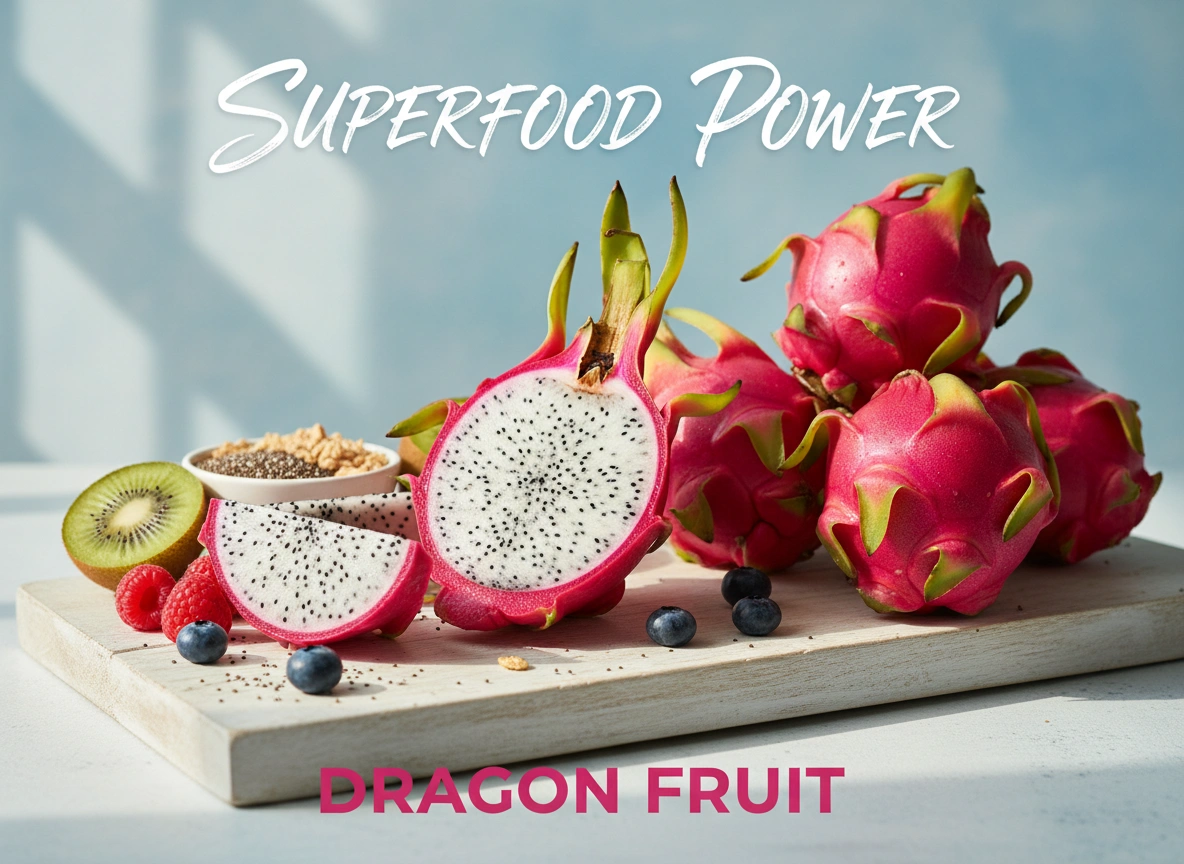
Walking through the produce aisle, it’s hard to miss the dragon fruit. Its vibrant pink skin and green scales look like something out of a fantasy novel. But beyond its exotic appearance lies a nutritional powerhouse that deserves a regular spot in your fruit bowl. Also known as pitaya, this tropical fruit has surged in popularity among health enthusiasts and foodies alike. It isn’t just about the Instagram-worthy color; it’s about a dense nutritional profile that supports overall wellness.
This article explores why dragon fruit earns the title of “superfood.” We will look at where it comes from, break down its impressive nutritional stats, and provide practical ways to enjoy it every day. Whether you are looking to boost your immune system or simply want to diversify your diet, dragon fruit offers a delicious solution.
The Origins and Varieties of the Dragon Fruit
Dragon fruit grows on the Hylocereus cactus, a climbing plant that thrives in tropical and subtropical regions. While many associate it with Southeast Asian countries like Vietnam, Thailand, and the Philippines, the fruit actually originated in the Americas. It is native to Southern Mexico and Central and South America. French explorers likely introduced it to Vietnam over a century ago, where it earned the name Thanh Long (Green Dragon) due to the way the fruit grows on the plant’s long, winding limbs.
Common Varieties You Will Find
Not all dragon fruits look or taste the same. While they share similar nutritional benefits, their flavor profiles and appearances differ slightly.
White-Fleshed Pitaya (Hylocereus undatus): This is the most common variety found in supermarkets. It features bright pink skin with green scales and white flesh speckled with tiny black seeds. The flavor is mild, slightly sweet, and often compared to a cross between a kiwi and a pear.
Red-Fleshed Pitaya (Hylocereus polyrhizus): This variety also has pink skin but reveals a vibrant, deep red or magenta flesh inside. It tends to be sweeter than its white-fleshed counterpart. The natural pigments in this variety are potent, so handle with care—the juice can stain your fingers and clothes!
Yellow Pitaya (Selenicereus megalanthus): Distinct from the others, this variety has yellow skin with a slightly bumpy texture. Inside, the flesh is white and translucent with larger seeds. Many consider the yellow dragon fruit to be the sweetest and most flavorful of all the varieties.
A Deep Dive into the Nutritional Profile
What makes dragon fruit a superfood? The answer lies in its nutrient density. It provides essential vitamins and minerals without packing on calories, making it an excellent choice for weight management and overall health.
Here is a breakdown of what a typical 6-ounce serving (roughly one cup of cubed fruit) offers:
- Calories: Approximately 102
- Protein: 2 grams
- Carbohydrates: 22 grams
- Fiber: 5 grams
- Sugar: 13 grams (natural sugars)
- Fat: 0 grams
Essential Vitamins and Minerals
Magnesium: Dragon fruit is one of the few fruits that contain a significant amount of magnesium. This mineral is crucial for over 600 biochemical reactions in your body, including muscle function, nerve transmission, and turning food into energy.
Vitamin C: A serving provides a solid dose of Vitamin C, essential for skin health and immune function.
Iron: Surprisingly, dragon fruit contains iron, which is vital for transporting oxygen through your body. The presence of Vitamin C in the fruit actually helps your body absorb this iron more efficiently.
Antioxidants: The fruit is rich in several powerful antioxidants, including betalains (in red varieties), hydroxycinnamates, and flavonoids. These compounds help protect your cells from damage caused by free radicals.
Top Health Benefits of Dragon Fruit
Eating dragon fruit does more than just satisfy a sweet tooth. Its unique composition offers specific health advantages that can improve your quality of life.
1. Strengthening the Immune System
Your body’s ability to fight infection relies heavily on your diet. The high Vitamin C content in dragon fruit stimulates the production of white blood cells, which act as your body’s first line of defense against illness. Furthermore, the carotenoids present in the fruit can also bolster the immune system.
2. Promoting Gut Health and Digestion
Gut health is a trending topic for a reason—it impacts everything from your mood to your immunity. Dragon fruit contains prebiotics, a specific type of fiber that promotes the growth of healthy bacteria in your gut (like lactic acid bacteria and bifidobacteria). Consuming dietary fiber helps regulate bowel movements and can prevent conditions like constipation. By feeding your good gut bacteria, you improve the balance of your microbiome, potentially lowering the risk of infections in your digestive tract.
3. Supporting Chronic Disease Prevention
Chronic inflammation and oxidative stress play major roles in diseases like cancer, heart disease, and diabetes. The antioxidants in dragon fruit work to neutralize free radicals, potentially reducing cell damage and inflammation.
- Betalains: Studies suggest these red pigments can reduce bad cholesterol (LDL).
- Hydroxycinnamates: These compounds have demonstrated anticancer activity in test-tube studies.
- Flavonoids: This large group of antioxidants is linked to better brain health and reduced risk of heart disease.
4. Enhancing Skin Health
Aging is a natural process, but factors like sun exposure and pollution can accelerate it. The antioxidants and Vitamin C in dragon fruit help fight signs of aging by maintaining collagen production and keeping skin firm. Some beauty enthusiasts even use dragon fruit paste as a natural face mask to soothe acne and sunburned skin, thanks to its vitamin B3 content which can soothe inflammation.
5. Boosting Iron Levels
Iron deficiency is one of the most common nutrient deficiencies worldwide. Dragon fruit provides a plant-based source of iron. This is particularly beneficial for vegetarians and vegans who do not consume heme iron from meat. The natural pairing of iron and Vitamin C in the fruit makes that iron more bioavailable, meaning your body can use it more easily.
Incorporating Dragon Fruit into Your Diet
Dragon fruit might look intimidating with its thick skin and scales, but it is incredibly easy to prepare. You simply slice it in half lengthwise and scoop out the flesh with a spoon, or peel the skin back and cube the fruit.
Its texture is similar to a kiwi or watermelon, and its mild flavor makes it versatile for both sweet and savory dishes.
Simple Serving Suggestions
Fresh and Raw: The simplest way is often the best. Chill the fruit in the refrigerator, slice it up, and eat it as a refreshing snack.
Smoothie Bowls: Frozen dragon fruit packs (especially the red variety) are famous for creating vibrant, bright pink smoothie bowls. Blend frozen dragon fruit with banana and coconut milk, then top with granola and chia seeds.
Yogurt Topper: Cube fresh dragon fruit and sprinkle it over Greek yogurt for a fiber-rich breakfast.
Salads: Add cubes of white or red dragon fruit to a spinach and walnut salad. The sweetness pairs beautifully with a balsamic vinaigrette.
Recipe: Tropical Dragon Fruit Salsa
This salsa is perfect for summer barbecues or as a topping for grilled fish or tofu.
Ingredients:
- 1 dragon fruit, peeled and diced into small cubes
- 1/2 cup pineapple, diced
- 1/4 cup red onion, finely chopped
- 1 jalapeño, seeded and minced (optional for heat)
- 1/4 cup fresh cilantro, chopped
- Juice of 1 lime
- Salt to taste
Instructions:
- Combine the dragon fruit, pineapple, onion, jalapeño, and cilantro in a medium bowl.
- Squeeze the fresh lime juice over the mixture.
- Add a pinch of salt and toss gently to combine.
- Let it sit for 10 minutes to allow the flavors to meld.
- Serve with tortilla chips or over grilled mahi-mahi.
Recipe: Dragon Fruit Sorbet
A guilt-free dessert that requires no ice cream maker.
Ingredients:
- 2 dragon fruits (red flesh looks best)
- 1 tablespoon honey or agave syrup
- 1 tablespoon lemon juice
- 1/2 cup water
Instructions:
- Scoop out the dragon fruit flesh and cut it into chunks. Freeze the chunks for at least 4 hours.
- Place the frozen fruit, sweetener, lemon juice, and water into a food processor or high-speed blender.
- Blend until smooth and creamy. You may need to scrape down the sides occasionally.
- Serve immediately for a soft-serve texture, or freeze for an additional hour for firmer scoops.
Conclusion
Dragon fruit is far more than just a decorative garnish. It is a genuine superfood that offers a wealth of benefits, from gut health support to essential minerals like magnesium and iron. Its low calorie count combined with high fiber makes it a smart addition to any diet, while its antioxidants work tirelessly to protect your body at a cellular level.
Whether you choose the white, red, or yellow variety, you are treating your body to nutrient-dense fuel. Next time you see this exotic fruit at the market, don’t walk past it. Pick one up, slice it open, and enjoy the sweet, subtle taste of good health. Making dragon fruit a regular part of your nutritional rotation is a simple, delicious way to invest in your long-term wellness.Check out this site to find useful information.
You may also read: Black Seed Oil: A Guide for Men and Women