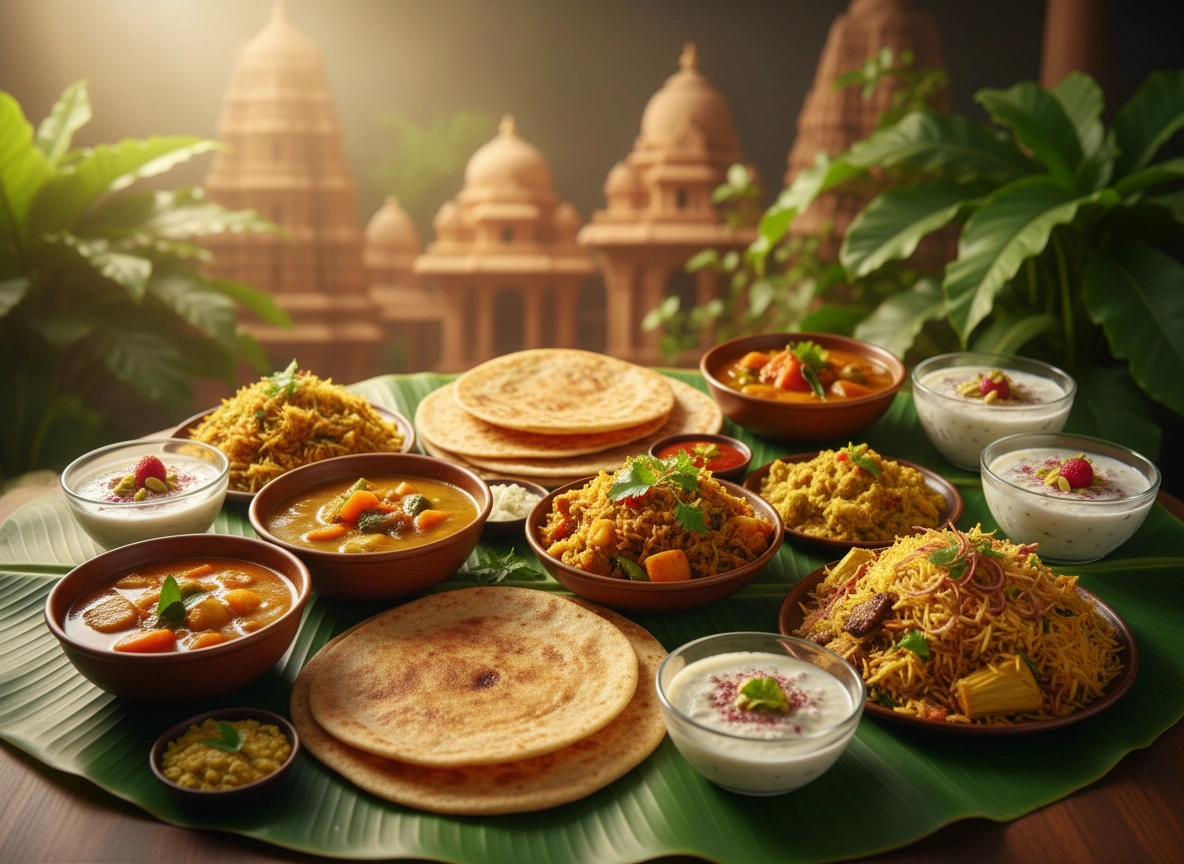
Trichy, formally known as Tiruchirappalli, stands as a vibrant testament to Tamil Nadu’s rich history. Dominated by the majestic Rock Fort Temple that pierces its skyline, this ancient city has long been a hub of culture, education, and, most importantly, culinary excellence. While renowned for its traditional South Indian fare—often laden with ghee and dairy—a quiet revolution is simmering in its kitchens. The city is embracing a new identity, one that honors its roots while looking forward to a sustainable future: a burgeoning vegan food culture.
Exploring Trichy isn’t just about visiting the Ranganathaswamy Temple or strolling along the Kaveri River anymore. It is increasingly about discovering how a city steeped in tradition adapts to the global shift toward plant-based living. This article delves deep into Trichy’s vegan landscape, uncovering the flavors, the people, and the places driving this compassionate culinary movement.
The Cultural Significance of Trichy’s Food Heritage
To understand the vegan scene here, you first must appreciate the foundation upon which it is built. Trichy sits at the geographic center of Tamil Nadu, acting as a melting pot for various regional cuisines. Historically, the food culture here has been predominantly vegetarian, influenced heavily by temple traditions and agrarian practices.
Rice, lentils, tamarind, and coconut form the backbone of the local diet. These ingredients are naturally plant-based, which provides an incredible head start for veganism. However, the traditional vegetarian diet in Trichy is also deeply intertwined with dairy. Ghee (clarified butter), curd (yogurt), and milk are not just food items but cultural symbols of prosperity and hospitality.
The transition to veganism in a city that worships cows—literally and figuratively—is significant. It marks a conscious shift from “vegetarian” to “vegan,” where the omission of dairy challenges centuries-old dietary habits. Yet, the adaptability of Trichy’s people is shining through, proving that heritage and modern ethics can coexist on the same banana leaf.
The Rise of Veganism in the Rock Fort City
What is driving the shift toward plant-based diets in a Tier-II city like Trichy? The answer is a blend of health awareness, ethical considerations, and global influence.
Health Consciousness
Post-pandemic, residents in Trichy have become far more health-conscious. There is a growing awareness of lactose intolerance and the inflammatory properties of processed dairy. Many locals are turning to plant-based diets to manage lifestyle diseases such as diabetes and hypertension, which are prevalent in the region.
Ethical and Environmental Factors
The younger generation in Trichy, fueled by internet access and social media, is more connected to global conversations about animal welfare and climate change. They are asking questions about where their milk comes from and the environmental cost of animal agriculture. This demographic is pushing local eateries to offer alternatives, driving demand for cruelty-free options.
The “Incidental Vegan” Phenomenon
Interestingly, much of Trichy’s food has always been “accidentally vegan.” The rise of the movement here is partly about rebranding existing dishes. It involves celebrating the fact that a crispy dosa (without ghee) or a spicy kara kuzhambu (tamarind curry) requires no animal products to be delicious. This realization makes the transition easier for locals who don’t feel they are giving up their culture, but rather rediscovering it.
Signature Vegan Dishes and Indigenous Ingredients
When you explore Trichy’s vegan food culture, you aren’t stuck eating salads. You are feasting on robust, spicy, and flavorful dishes that define Tamil cuisine.
The Idli-Dosa Spectrum
The staple breakfast of champions. Idlis (steamed rice cakes) are naturally vegan. The challenge usually lies with the sides. In Trichy, coconut chutney and sambar (lentil stew) are standard accompaniments. By simply ensuring the sambar isn’t finished with ghee, you have a perfect vegan meal. The Uthappam, a thick savory pancake often topped with onions and tomatoes, is another hearty vegan favorite.
Kuzhambu Varieties
Trichy excels in tangy, tamarind-based curries known as Kuzhambu.
- Vatha Kuzhambu: Made with sun-dried turkey berries (sundakkai) or black nightshade berries, this intensely flavorful curry uses sesame oil rather than ghee, making it a vegan staple.
- Puli Kuzhambu: A tamarind-based vegetable stew that highlights local produce like drumsticks, brinjal (eggplant), and okra.
Street Food Delights
- Kalan (Mushroom) Fry: A spicy, stir-fried mushroom dish often found at roadside stalls. It’s meaty in texture but entirely plant-based.
- Sundal: A nutritious snack made of boiled chickpeas or white peas, tossed with mustard seeds, curry leaves, and fresh coconut. It is protein-packed and ubiquitous on Trichy’s streets.
- Paniyaram: These ball-shaped dumplings made from fermented batter can be sweet (with jaggery) or savory. When cooked with oil instead of ghee, they are a delightful vegan treat.
Indigenous Ingredients
The region’s agriculture supports the vegan diet effortlessly.
- Coconut: Used for milk, oil, and grated toppings, replacing dairy creaminess.
- Millets: Kuthiraivali (Barnyard millet) and Samai (Little millet) are making a comeback, offering nutritious, ancient grain alternatives to polished rice.
- Moringa: Abundant in the region, every part of the drumstick tree—leaves, flowers, and pods—is used to boost nutrition in vegan curries.
Notable Vegan-Friendly Spots in Trichy
While exclusively vegan restaurants are still rare compared to metropolitan hubs like Chennai or Bangalore, many establishments in Trichy are exceptionally vegan-friendly.
1. Shri Sangeethas
A legendary name in Trichy’s culinary scene. While they serve dairy, their menu is vast, and the staff is knowledgeable. You can easily order elaborate South Indian thalis (meals) here. Just request that they withhold the curd and ghee. Their Rava Dosa and variety rice options (lemon rice, tamarind rice) are fantastic vegan choices.
2. DiMoora
For those looking for a more modern dining experience, DiMoora offers continental and fusion dishes. They have shown a willingness to customize dishes for vegan patrons, swapping out cheese in pasta or offering olive oil-based dressings for salads.
3. Arab Spice
Wait, an Arabian restaurant? Yes. Middle Eastern cuisine offers excellent vegan options naturally. Their hummus, falafel plates, and baba ganoush are authentic and completely plant-based. It offers a nice break from the traditional South Indian palate.
4. Minimalist Cafes & Juice Bars
Trichy has seen a sprout of juice bars and modern cafes. Places like Boomerang (known for ice creams but offering fruit sorbets) and various fresh juice stalls offer watermelon juice, tender coconut water, and fruit bowls that are refreshing in the Trichy heat.
5. Street Vendors at Chatram Bus Stand
If you want to eat like a local, the area around Chatram Bus Stand is a goldmine. Look for the steaming carts selling Idiyappam (string hoppers). Served with coconut milk and sugar or a spicy veggie stew (kurma), it is one of the most comforting vegan meals you can find.
Challenges and Opportunities for the Movement
Despite the progress, the vegan movement in Trichy faces distinct hurdles.
The Dairy Deep-Rootedness
The biggest challenge is cultural. Milk and ghee are considered “pure” and essential for health in traditional Tamil households. Convincing an older generation that a meal is complete without curd rice is a monumental task. Restaurants often default to adding a dollop of ghee to dishes like pongal or dosa unless explicitly told otherwise.
Labeling and Awareness
Unlike in the West or major Indian metros, you won’t often find a “V” symbol on menus in Trichy. The burden is on the consumer to ask about ingredients. “Pure Veg” in India implies lacto-vegetarian, so vegans must specify “no milk, no ghee, no butter, no curd.”
The Opportunity: Plant-Based Mock Meats
There is a massive untapped market here. Trichy has a significant population that enjoys the texture of meat but abstains for religious reasons on specific days. The introduction of soy-based or jackfruit-based meat alternatives could bridge the gap, appealing to both vegans and flexitarians.
Culinary Tourism
Trichy attracts thousands of international tourists. Catering to the global demand for vegan food presents a lucrative economic opportunity for local restaurateurs. Promoting “Vegan Heritage Tours” could be a unique selling point for the city’s tourism board.
The Future of Vegan Food Culture in Trichy
The trajectory of veganism in Trichy is promising. It is not arriving as a disruptive, foreign concept, but rather as a mindful return to the region’s agricultural roots. We are seeing a synthesis where grandmothers’ recipes meet modern ethics.
As more young entrepreneurs enter the food space, we can expect to see the first 100% vegan cafe open in Trichy soon. We anticipate more bakeries offering cashew-cream cakes and almond-milk coffees. The shift is subtle, but it is steady.
Trichy proves that you don’t need to be a cosmopolitan capital to embrace compassionate living. By leveraging its incredible variety of grains, vegetables, and spices, Trichy is carving out a unique space in India’s vegan map. For the food traveler, this city offers an authentic, flavor-packed adventure where the food is as kind to the planet as it is to the palate.
Whether you are a strict vegan or a curious foodie, Trichy’s kitchens are ready to surprise you—one ghee-free dosa at a time.
Please visit this website for more info.