Starting a podcast can feel like an exciting leap into the world of content creation. It’s a powerful medium for sharing stories, expertise, and connecting with a global audience. But before you can hit record, one question looms large: what equipment do you need? The answer isn’t one-size-fits-all. Your ideal setup depends entirely on your budget and goals.
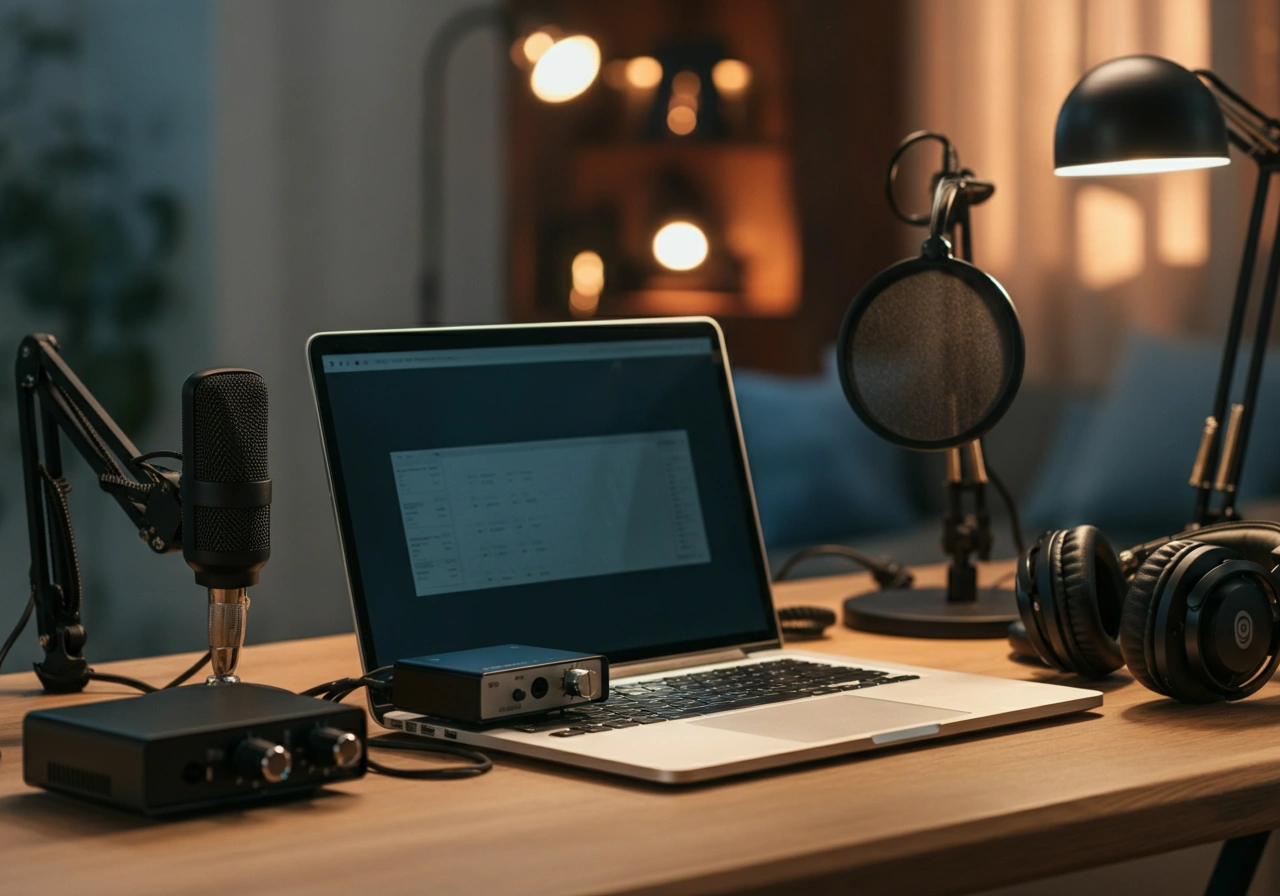
This guide breaks down the best podcast equipment for every budget level. We will explore high-quality, reliable options for beginners just starting out, seasoned creators looking to upgrade, and professionals who demand the best. You’ll learn about microphones, headphones, audio interfaces, and other essentials to create a show that sounds fantastic, no matter how much you have to spend.
Getting Started: Low-Budget Podcasting (Under $150)
You don’t need a professional studio to produce great-sounding audio. With a few strategic purchases, you can build a solid beginner setup that delivers clear, quality sound without breaking the bank. This budget is perfect for those testing the podcasting waters.
Microphones: Your Most Important Tool
The microphone is the heart of your setup. A good one will capture your voice clearly, while a poor one can doom your show from the start.
- USB Microphones: For beginners, USB mics are the way to go. They are plug-and-play, connecting directly to your computer without needing extra hardware. The Audio-Technica AT2020 (USB+) is a long-standing favorite, offering excellent sound quality for its price. Another fantastic option is the Blue Yeti, known for its versatility with multiple pickup patterns, allowing you to record solo, with a co-host, or even in a group.
Headphones: Monitor Your Sound
You need headphones to hear exactly what your microphone is capturing. This helps you identify and fix issues like background noise, plosives (harsh “p” and “b” sounds), and inconsistent volume levels in real-time.
- Affordable Monitoring: You don’t need expensive studio monitors. The Sony MDR-7506 headphones are an industry standard, praised for their durability and flat frequency response, which means you hear your audio exactly as it is. For an even more budget-friendly choice, the Audio-Technica ATH-M20x provides reliable performance for a fraction of the cost.
Essential Accessories
A few small additions can dramatically improve your audio quality.
- Pop Filter: This simple screen sits in front of your microphone and diffuses the bursts of air from plosive sounds. A generic, affordable pop filter that clips onto your mic stand is a must-have.
- Desktop Mic Stand: While many USB mics come with a small desktop stand, a more robust one can help reduce vibrations and improve positioning.
Leveling Up: Mid-Range Equipment ($150 – $500)
Once you’ve committed to podcasting and want to improve your production value, it’s time to invest in a mid-range setup. This tier introduces more professional-grade equipment, offering greater control and superior sound quality.
Microphones: The XLR Advantage
At this level, you’ll likely move from USB microphones to XLR microphones. These mics require an audio interface to connect to your computer but offer a significant step up in sound quality and flexibility.
- Dynamic Microphones: The Rode Procaster is a broadcast-quality dynamic microphone designed specifically for voice. It does an excellent job of rejecting room noise, making it ideal for home studios without acoustic treatment. The Shure SM58 is another legendary dynamic mic, known for its ruggedness and warm vocal tone.
Audio Interfaces: The Brain of Your Studio
An audio interface is a device that converts the analog signal from an XLR microphone into a digital signal your computer can understand. It also provides power to the microphone and allows you to connect headphones and speakers.
- Reliable Interfaces: The Focusrite Scarlett 2i2 is arguably the most popular audio interface in the world, and for good reason. It’s easy to use, features high-quality preamps (which boost the mic’s signal), and provides two inputs for co-hosted shows. Another great option is the PreSonus AudioBox USB 96, which offers similar features and excellent value.
Headphones and Accessories
With a better mic and interface, you’ll want accessories to match.
- Studio Headphones: The Beyerdynamic DT 770 PRO is a favorite among audio professionals for its comfort during long sessions and exceptional sound isolation.
- Boom Arm: A boom arm clamps to your desk and allows you to position your microphone perfectly. The Rode PSA1 is a popular, sturdy choice that keeps your mic off the desk, reducing bumps and vibrations while freeing up space.
The Professional Setup: High-End Gear ($500+)
For podcasters who are monetizing their content, running a business-focused show, or simply demand the absolute best, a high-end setup is a worthy investment. This equipment is built to broadcast-industry standards and delivers pristine, professional audio.
Microphones: Industry-Standard Sound
At the professional level, microphones are chosen for their character and clarity.
- Legendary Microphones: The Shure SM7B is a staple in professional radio stations and podcast studios. It has a rich, warm tone that flatters nearly any voice and features excellent internal noise rejection. Another top-tier choice is the Neumann U 87 Ai, a condenser microphone renowned for its detail and clarity. While it comes with a premium price tag, its performance is unmatched. Developing a professional Podcast requires this level of quality to compete.
Audio Interfaces and Mixers: Ultimate Control
High-end setups often incorporate mixers or advanced interfaces for maximum control over the audio.
- Advanced Interfaces & Mixers: The Universal Audio Apollo Twin is a professional-grade desktop interface that not only offers pristine sound but also allows you to use high-quality plugins in real-time with near-zero latency. For those hosting multiple guests, a dedicated mixer like the Rode RodeCaster Pro II is a game-changer. It combines a mixer, recorder, and interface into one powerful unit, with dedicated inputs for mics, smartphones, and computers, plus sound pads for intros and effects.
Studio Enhancements: The Final Polish
To complete a professional studio, you need to control your recording environment.
- Headphones: The Sennheiser HD 650 are open-back headphones beloved by audiophiles and sound engineers for their natural, spacious soundstage, making them ideal for critical listening during the editing and mixing phase.
- Acoustic Treatment: This involves adding sound-absorbing panels to the walls of your recording space to reduce echo and reverb. While you can purchase pre-made panels, DIY options using rockwool and fabric can be just as effective. A well-treated room is often the biggest difference between amateur and professional-sounding audio.
Conclusion: Invest in What Matters Most
Choosing the right podcast equipment is about finding the best tools for your specific needs and budget. A beginner can create a fantastic show with just a USB microphone and some free editing software. A professional might require a multi-input mixer and broadcast-standard microphones.
Regardless of your budget, prioritize your microphone first, as it has the biggest impact on your sound. From there, you can gradually upgrade your headphones, interface, and recording environment as your show grows. The goal is to create the best possible listening experience for your audience. With the right gear in hand, you are well on your way to producing a podcast you can be proud of.